Gift hampers are more than a collection of goodies; they’re a tangible expression of thoughtfulness, brand identity, and, increasingly, sustainability. In a world where consumers are waking up to the environmental cost of packaging, the question becomes: when should a company choose eco‑friendly packaging for gift hampers? This guide will walk you through the signals, the timing, and the practical steps to make the switch while keeping your bottom line—and your reputation—intact.
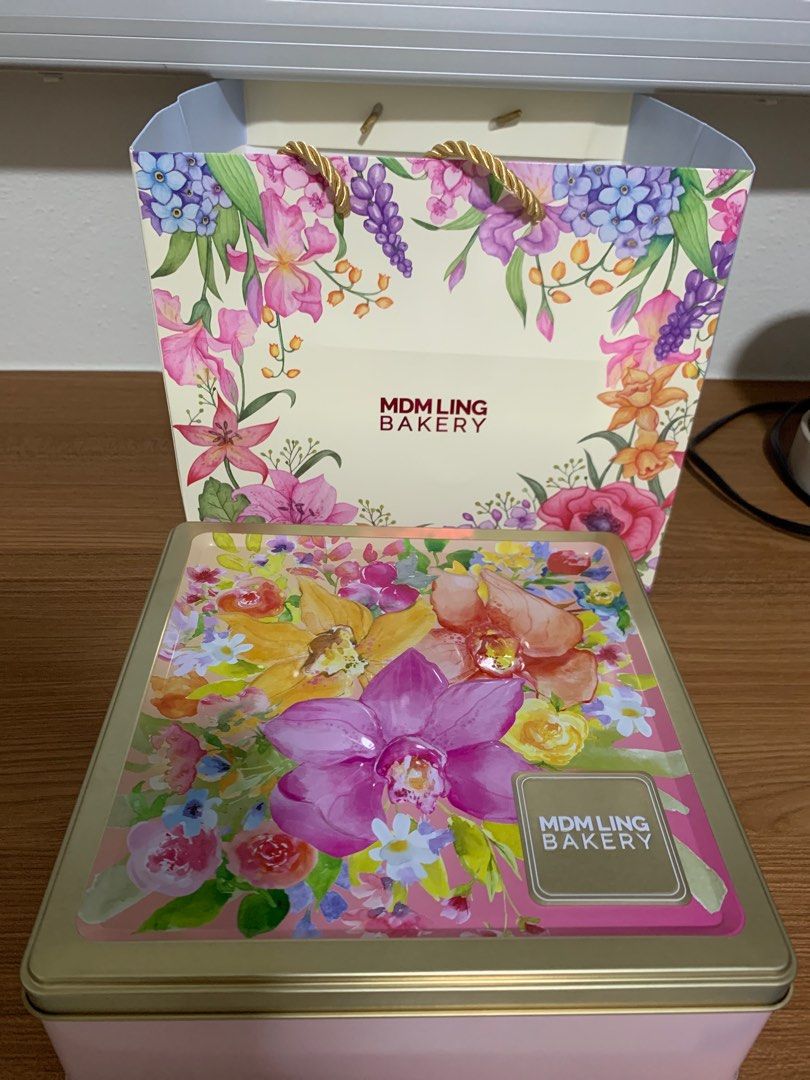
Why Eco‑Friendly Packaging Matters
Environmental Impact
Every year, millions of pounds of packaging waste end up in landfills. Traditional plastics, glossy paper, and rigid trays contribute to that tally. Switching to biodegradable or recyclable materials reduces a hamper’s carbon footprint and keeps more of the planet’s resources intact. Think of it as the green handshake that welcomes your brand into a cleaner future.
Brand Perception
In the age of “greenwashing,” authenticity matters. Customers are no longer satisfied with a single eco‑label; they look for a transparent journey from sourcing to disposal. A well‑chosen eco‑friendly package can turn a simple gift into a statement that your brand cares about more than just sales. “Sustainability is not a trend; it’s a responsibility,” says environmental advocate Jane Goodall, and that sentiment resonates with today’s shoppers.
Competitive Edge
Companies that adopt sustainable packaging early often reap a competitive advantage. It differentiates them from peers who still rely on conventional materials Find more info and positions them as leaders in corporate responsibility. Plus, the buzz around green initiatives can drive organic media coverage—free publicity that’s hard to beat.
Key Indicators to Switch
Consumer Demand
The most obvious driver is the customer’s voice. If you notice a steady rise in inquiries about eco‑friendly options or a spike in complaints about plastic waste, it’s time to listen. Even a single customer’s feedback can be a catalyst for change.
Regulatory Landscape
Governments worldwide are tightening packaging regulations. From the EU’s Packaging and Packaging Waste Directive to the UK’s plastic reduction plan, compliance is becoming non‑optional. Ignoring these rules can result in fines and brand damage. Stay ahead of the curve by adopting eco‑friendly packaging now.
Cost Considerations
While the upfront cost of sustainable materials may be higher, long‑term savings often outweigh the initial outlay. Think of the reduced waste disposal fees, the potential tax incentives, and the increased willingness of consumers to pay a premium for green products. Moreover, economies of scale are improving as suppliers expand their eco‑friendly lines.
Timing the Transition
Seasonal Campaigns
Gift hampers peak during holidays, corporate gifting seasons, and special events. These moments provide a natural platform to showcase new packaging. Launching eco‑friendly hampers during a holiday season can create a memorable first impression—think of it as the season’s “greenest” gift.
Product Launches
When introducing a new product line, pairing it with sustainable packaging signals innovation and responsibility. This synergy can amplify the launch’s impact, attracting media attention and customer interest alike.
Supply Chain Readiness
Before making the switch, ensure your suppliers can meet demand without compromising quality. A phased rollout—starting with a small percentage of your hampers—allows you to test the market response and tweak the design as needed.
Practical Steps to Implement
- Audit Your Current Packaging: Identify the materials, suppliers, and disposal methods currently in use. Research Sustainable Alternatives: Look for biodegradable trays, recycled paper, or reusable fabric wraps. Pilot a Small Batch: Test the new packaging with a limited audience and gather feedback. Adjust Design for Functionality: Ensure the new material still protects the contents and offers an appealing aesthetic. Communicate the Change: Highlight the eco‑friendly switch on your website, social media, and product tags. Train Your Team: Ensure staff understand the benefits and proper handling of the new packaging. Track Metrics: Monitor sales, customer feedback, and waste reduction to gauge success.
Anecdote
Take the example of a boutique bakery in Portland that decided to replace its plastic-lined trays with compostable paper. The first week after the switch, a customer tweeted, “Your hamper looked like Homepage it survived a war—so good!” The bakery’s sales spiked by 12% in the following month, proving that a thoughtful packaging choice can resonate with customers as strongly as the products inside.
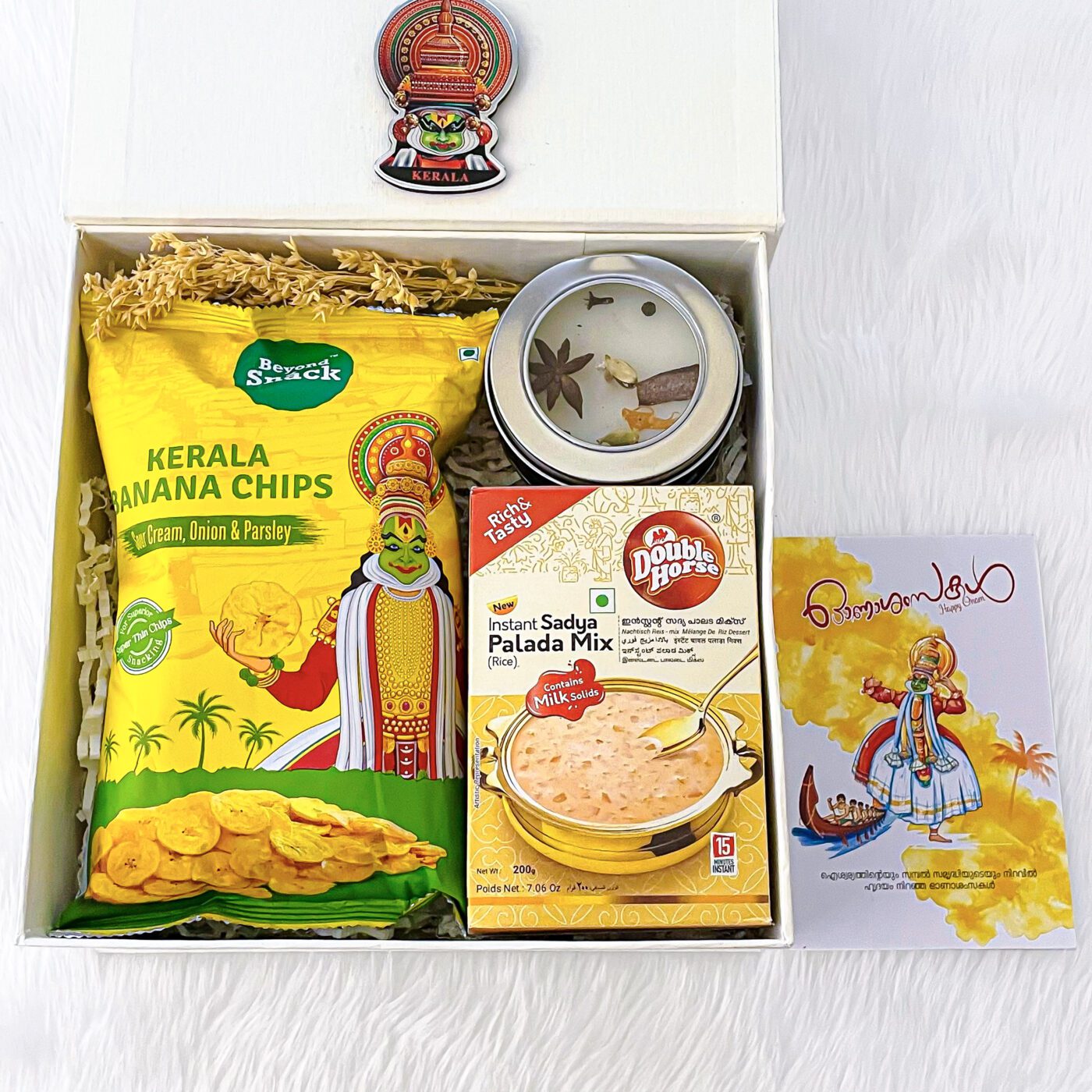
The Perfect Gift Awaits
Deciding when should a company choose eco‑friendly packaging for gift hampers? The answer is clear: when the environmental, consumer, and regulatory signals align. Think of eco‑friendly packaging as the secret sauce that elevates a gift from ordinary to extraordinary. It’s not just about wrapping; it’s about wrapping your brand’s values in a way that feels authentic and forward‑thinking.
By listening to your customers, staying compliant with regulations, and planning the transition strategically, you can turn sustainability into a competitive advantage. The next time you hand out a hamper, let the packaging whisper a subtle, powerful message: “We care about the world as much as we care about you.”